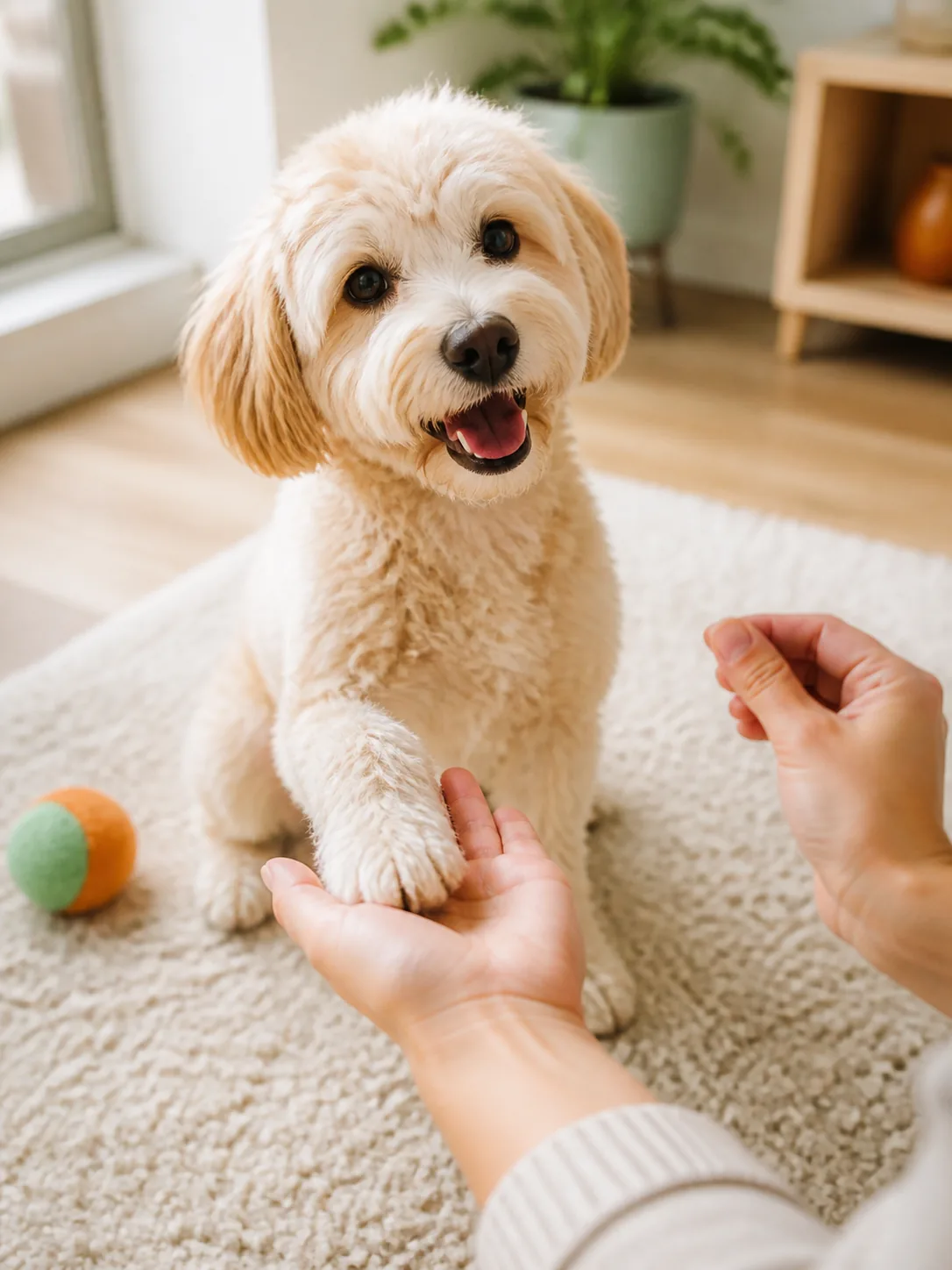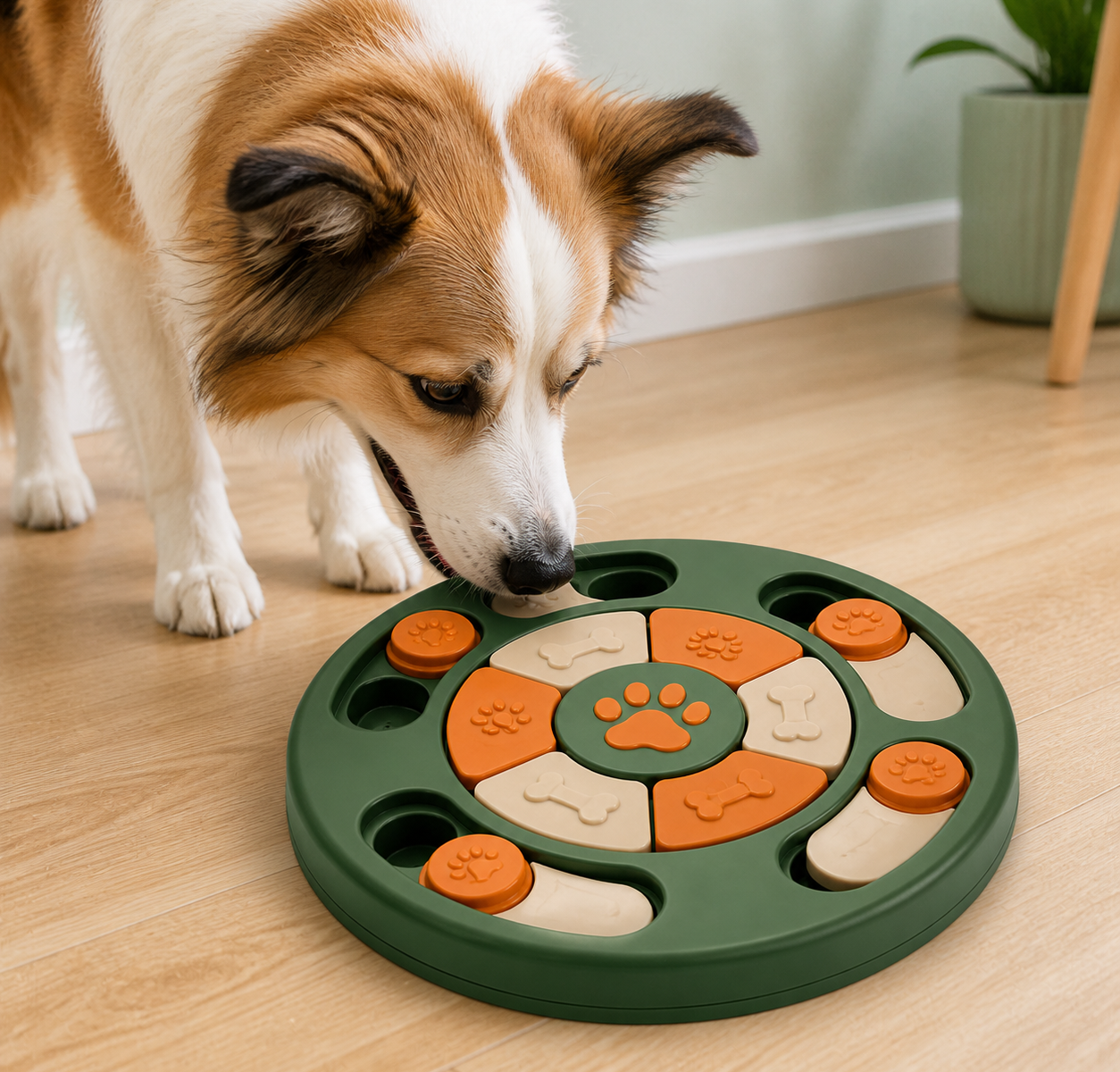
A puzzle should invite curiosity rather than create a test your pet can fail. Start with treats partly visible and make the moving pieces easy to shift. Once the pattern is understood, add only one new difficulty at a time.
Supervise the activity and keep sessions brief. Sniffing, pausing, and walking away are all normal parts of problem solving. Put the puzzle aside if your pet begins chewing the parts or showing signs of stress.
Ordinary household games—such as finding treats in folded towels—can provide the same useful mental work.